![2014 McLaren P1 Specs: 903 hp, F1-Style IPAS and DRS Systems, Plug-In Hybrid Powertrain [2013 Geneva Auto Show]](http://bd.summit.net/blog/wp-content/uploads/118607-thumb-320x38.jpg)

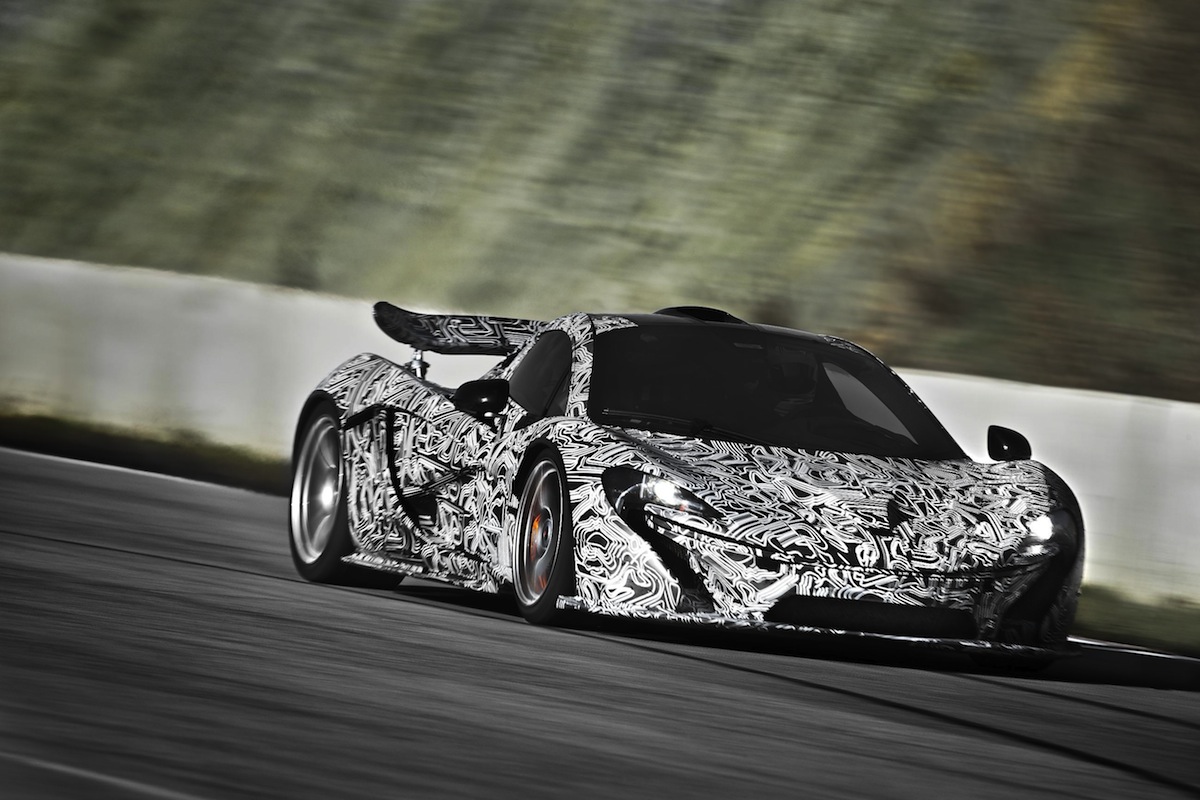
McLaren has been releasing teasing previews of nearly every aspect of the 2014 P1 supercar in the run-up to the 2013 Geneva auto show, but now it has dropped the motherload: The car’s until-now unknown powertrain specs. As expected, the F1 successor’s details are impressive, including 903 horsepower and 664 lb-ft of torque from a twin-turbocharged, 3.8-liter V-8 engine—and an electric motor. Yes, the P1 has an electric motor powered by a medium-sized battery pack. In fact, the P1 is technically a plug-in hybrid.
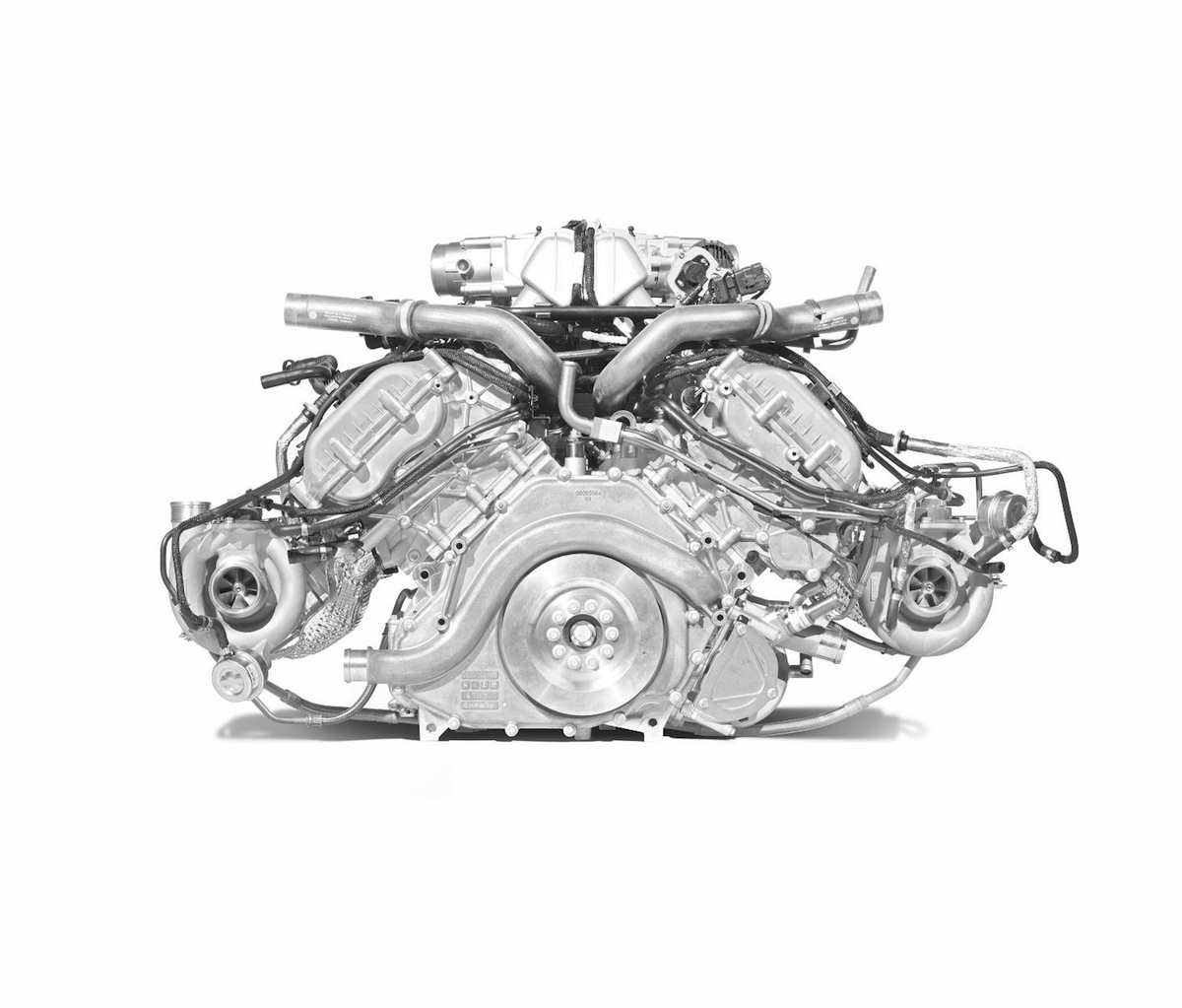
The mid-mounted gas engine is a heavily worked-over iteration of the same twin-turbo 3.8-liter V-8 that powers McLaren’s less-extreme MP4-12C sports car, and the electric motor was designed in-house by the company’s electronics division. The engine produces a healthy 727 horsepower and 531 lb-ft of torque on its own, while the electric motor is rated for 177 ponies and 192 lb-ft. McLaren reworked the V-8′s engine-block casting to enable the electric motor to nuzzle up to its lower left side, and the duo’s might is funneled to the rear wheels via a seven-speed dual-clutch automatic transmission. McLaren even fiddled with the electric motor such that it provides drag torque on the engine during upshifts to lower revs more quickly, which allows the transmission to shift faster.
As mentioned, combined output is 903 horsepower and 664 lb-ft of torque, with max twist arriving at 4000 rpm. An E-Mode enables electric-only motoring for just over six miles on a full battery; the cells are replenished via motor-based regeneration on deceleration or by using a plug-in charger that fits in the luggage area. The 212-pound, liquid cooled battery pack lives above the fuel tank and just ahead of the mid-mounted engine, and is directly connected to the P1′s carbon-fiber monocoque. McLaren has yet to reveal the battery’s chemical make-up or capacity, but claims greater power density than any other production automotive battery.
- Comparison Test: McLaren MP4-12C vs. Ferrari 458 Italia, Porsche 911 GT2 RS
- Road Test: 1000 Miles in the McLaren MP4-12C
- Instrumented Test: 2012 Lamborghini Aventador LP700-4

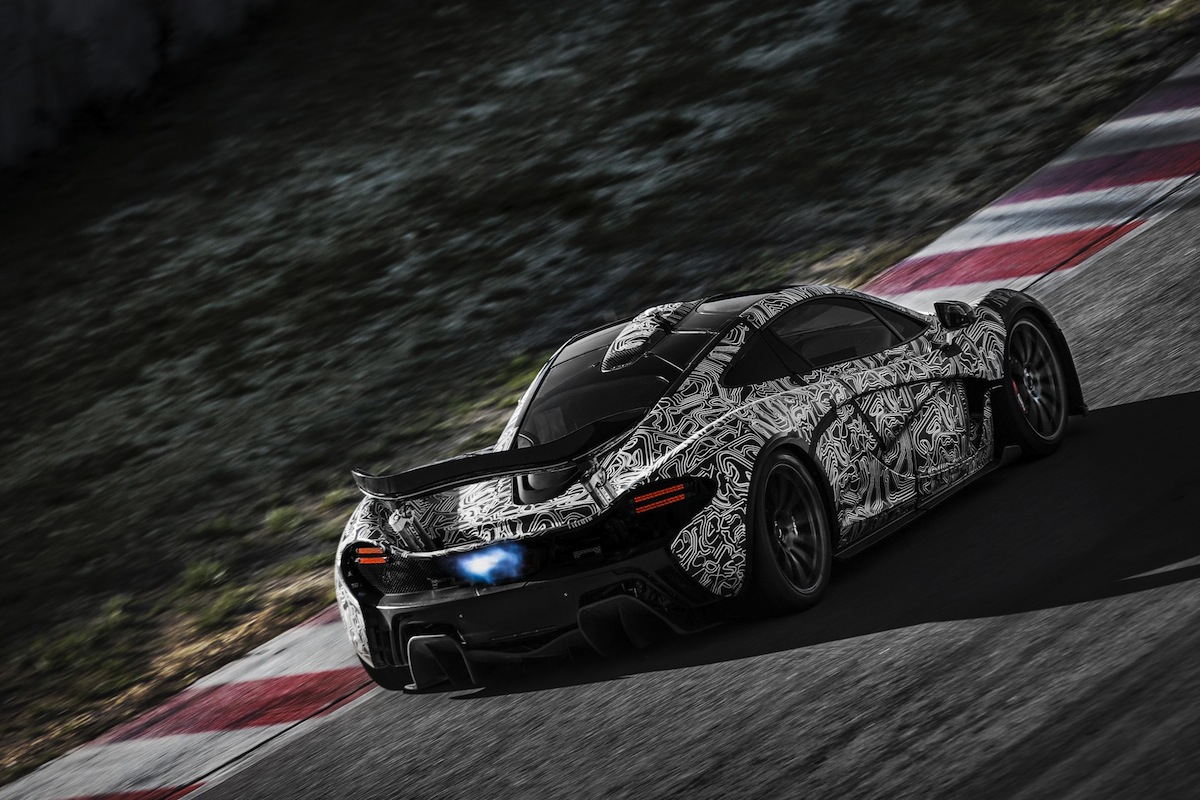
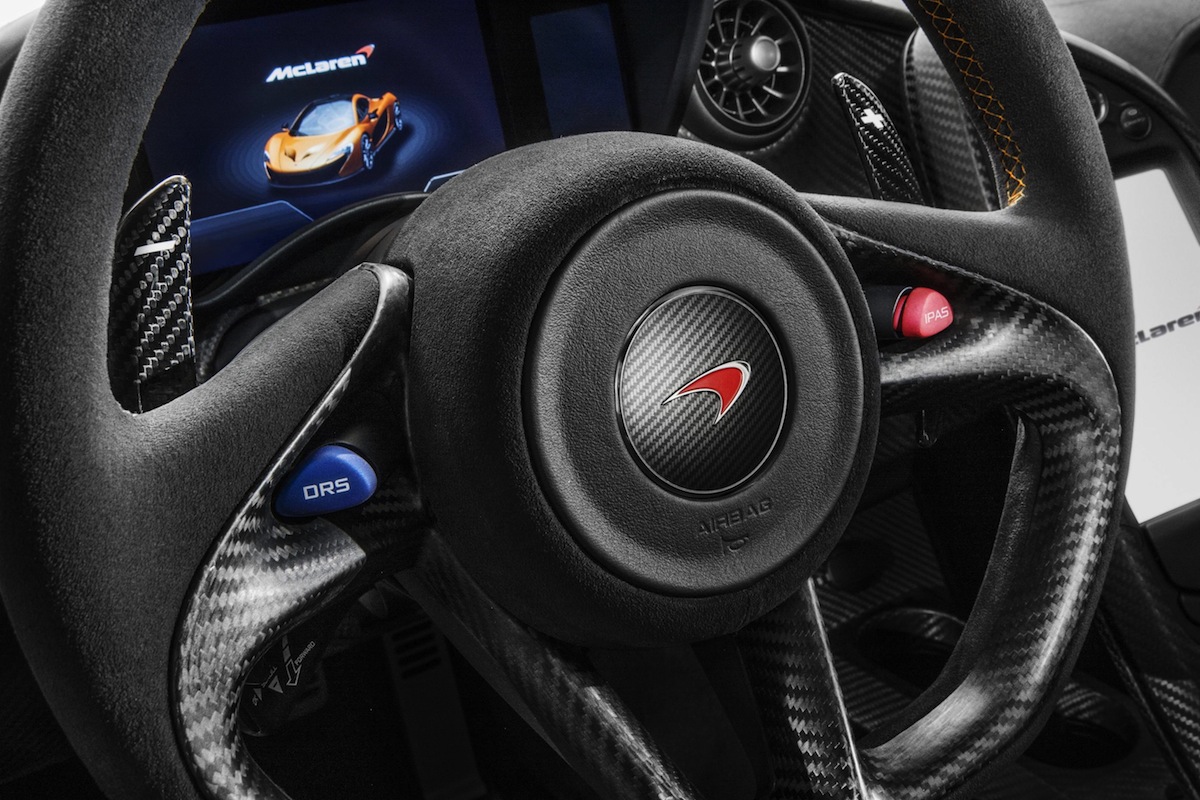
Performance-wise, the P1 should be properly epic. But everything is made better by go-faster buttons, and McLaren put two of them on the P1′s F1-inspired steering wheel. The buttons control F1-style boost functions: IPAS (Instant Power Assist System) and DRS (Drag Reduction System). When activated, IPAS instantly unleashes full electric power—so all 177 horses. Push the DRS button, and the P1′s rear wing drops to a lower angle, reducing drag by 23 percent. The wing returns to its original, draggy position when the button is released or if the driver hits the brakes.
At the rate it’s going, McLaren won’t even need to reveal the P1 in Geneva—we can practically gather up all the individual details and put the puzzle together ourselves. You can bet it’s a puzzle the boys at Ferrari are scrambling to solve, too, given …read more
Source: FULL ARTICLE at Car & Driver